Carbon Fiber Knowledge Guide
From fiber grades to manufacturing processes — a deep dive into carbon fiber composites to help you make smarter material and process decisions.
In-Depth Articles
In-depth articles written by our technical team, continuously updated.
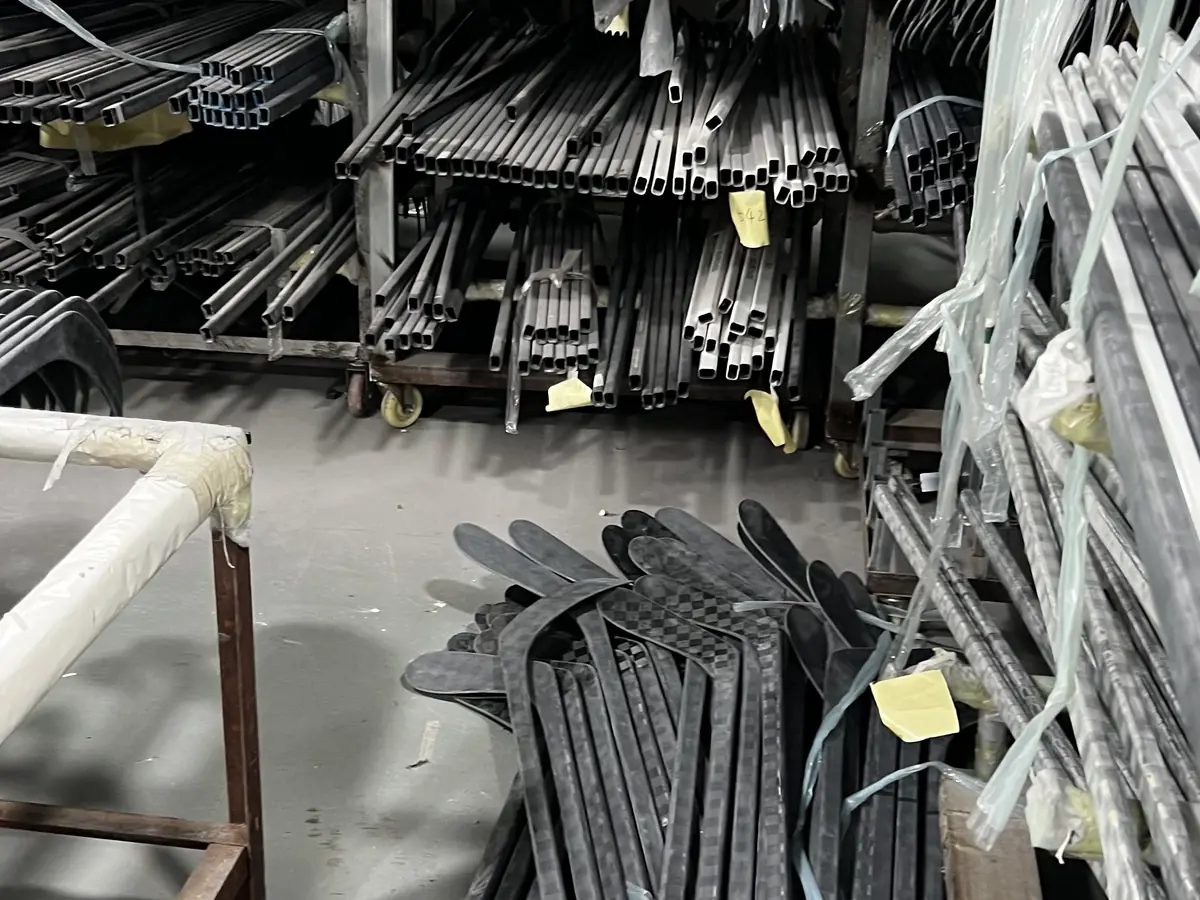
What Is Carbon Fiber? Properties and Typical Applications
Carbon fiber is a high-performance fiber over 90% carbon, with specific strength and stiffness far beyond steel or aluminum. Here is what it is and where it is used.
6/21/2026
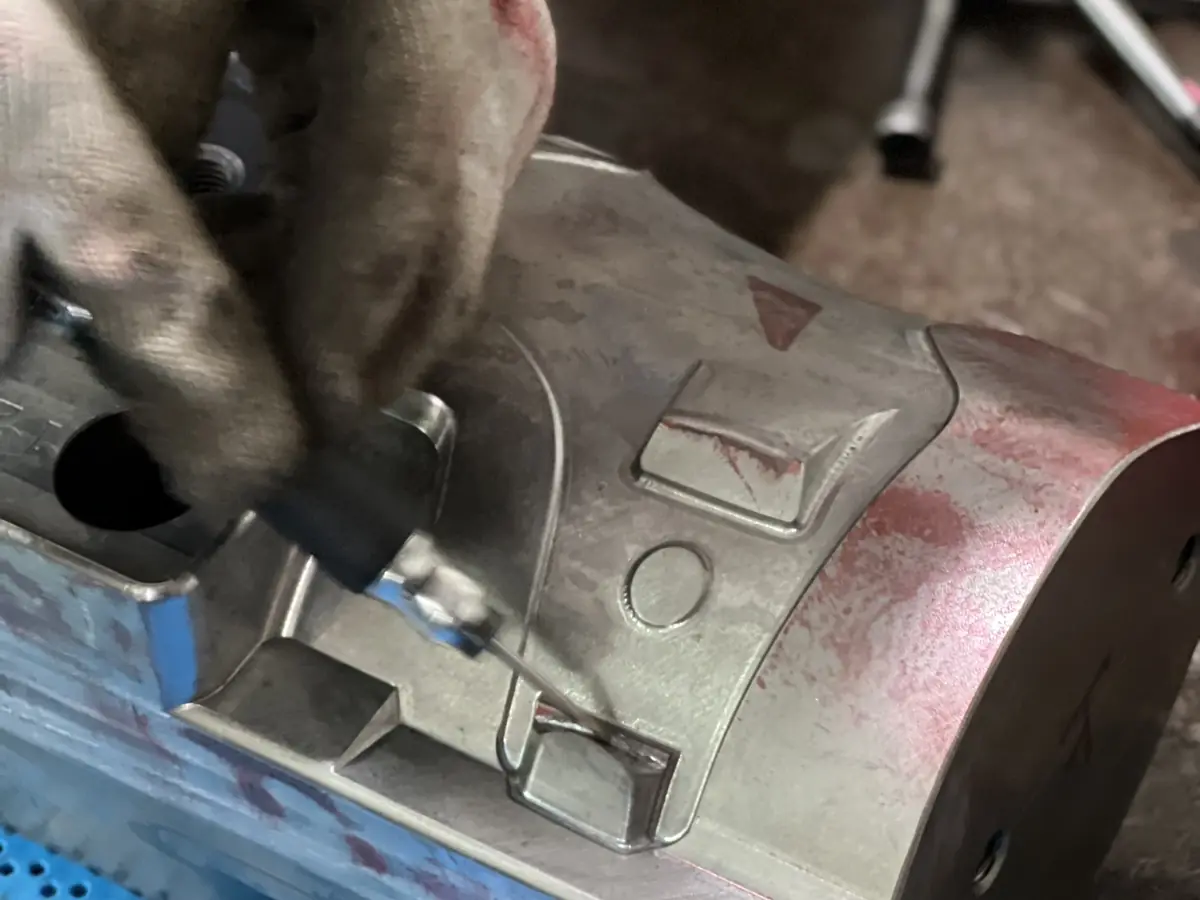
Carbon Fiber Manufacturing Explained: From Prepreg to Finished Part
Cutting, layup, molding/rolling, curing, demolding, finishing and coating — how a roll of carbon cloth becomes a finished stick or tube.
6/21/2026
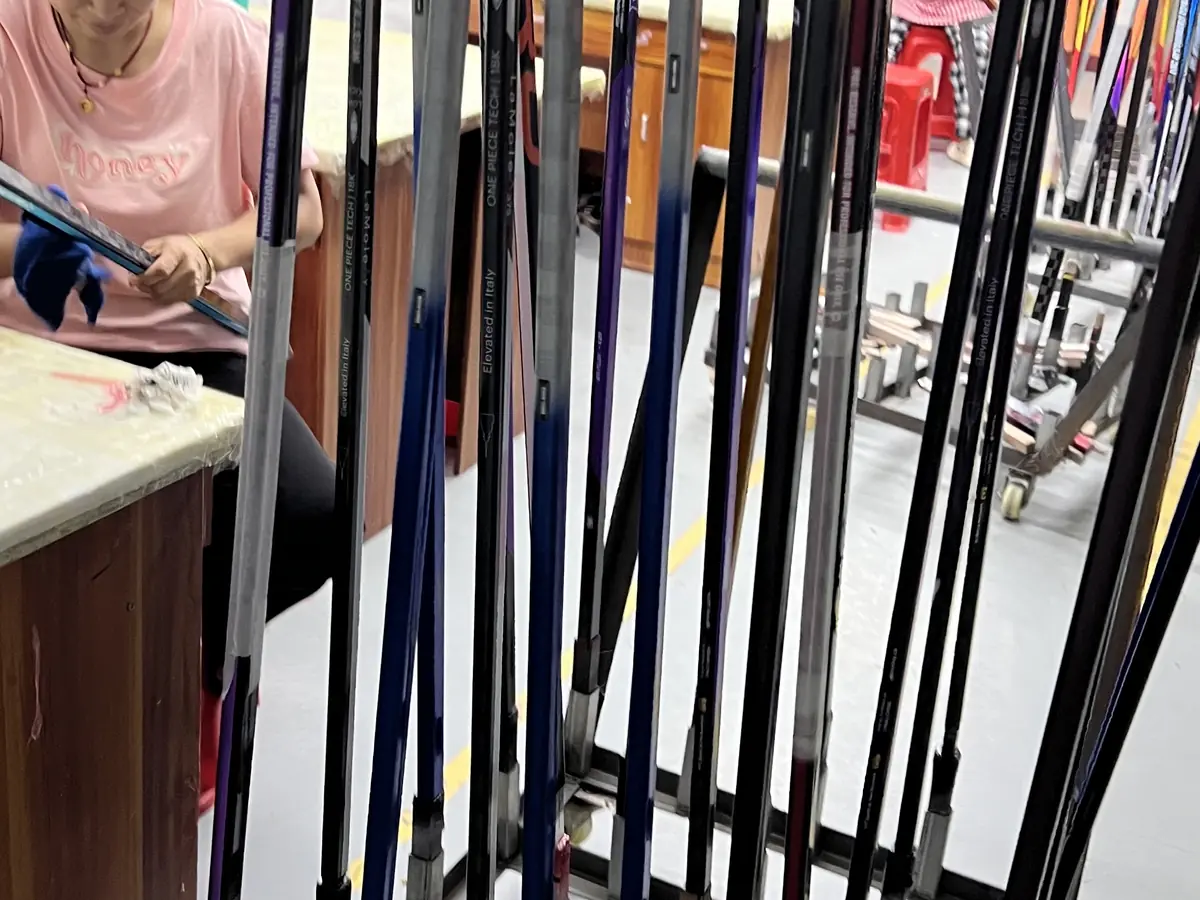
Choosing Carbon Fiber Grades: T300 vs T700 vs T800
T-series, 3K/12K, UD vs woven — understanding these grades lets you pick the right carbon fiber and balance performance against cost.
6/21/2026
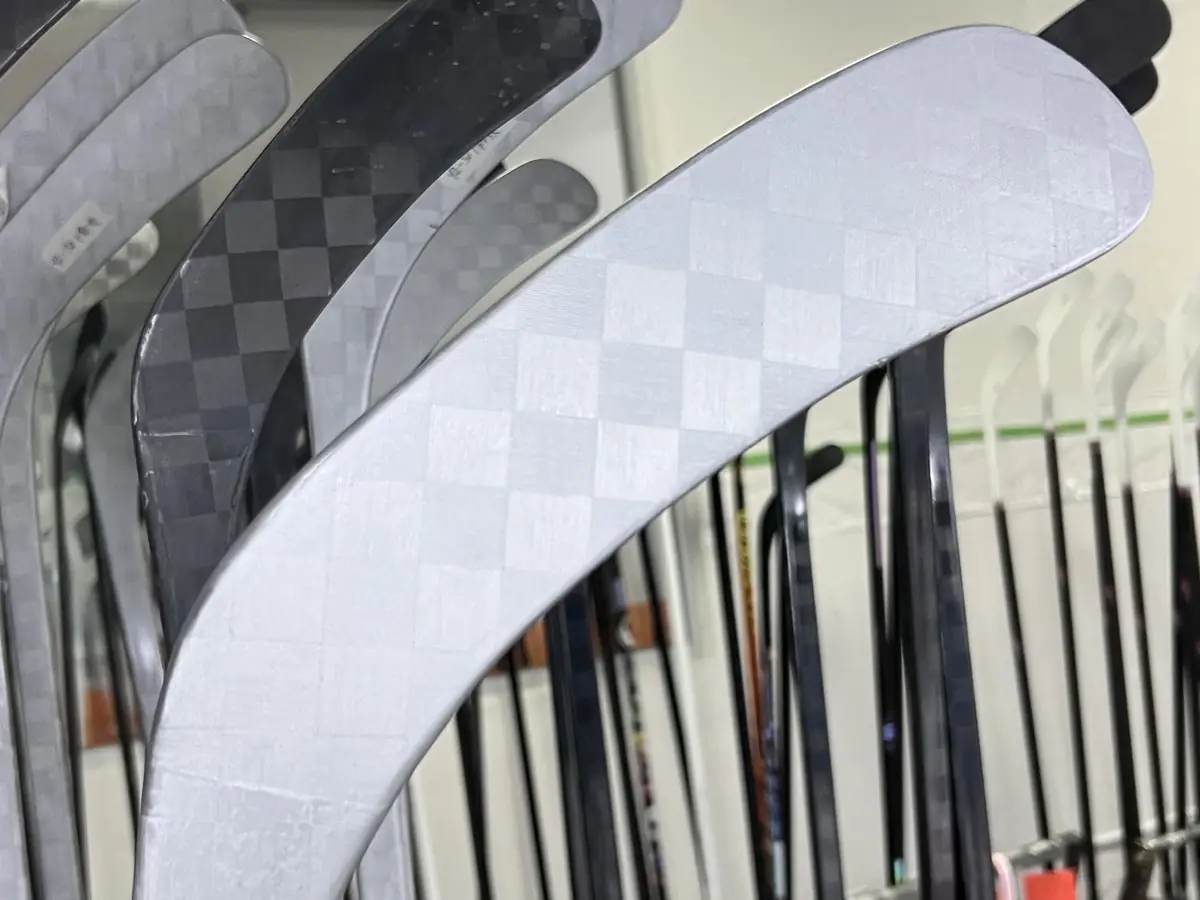
Carbon Fiber vs Glass Fiber vs Aluminum: How to Choose
For the same stick, carbon, glass fiber, aluminum and ABS each have trade-offs. A clear comparison to pick by budget and use.
6/21/2026
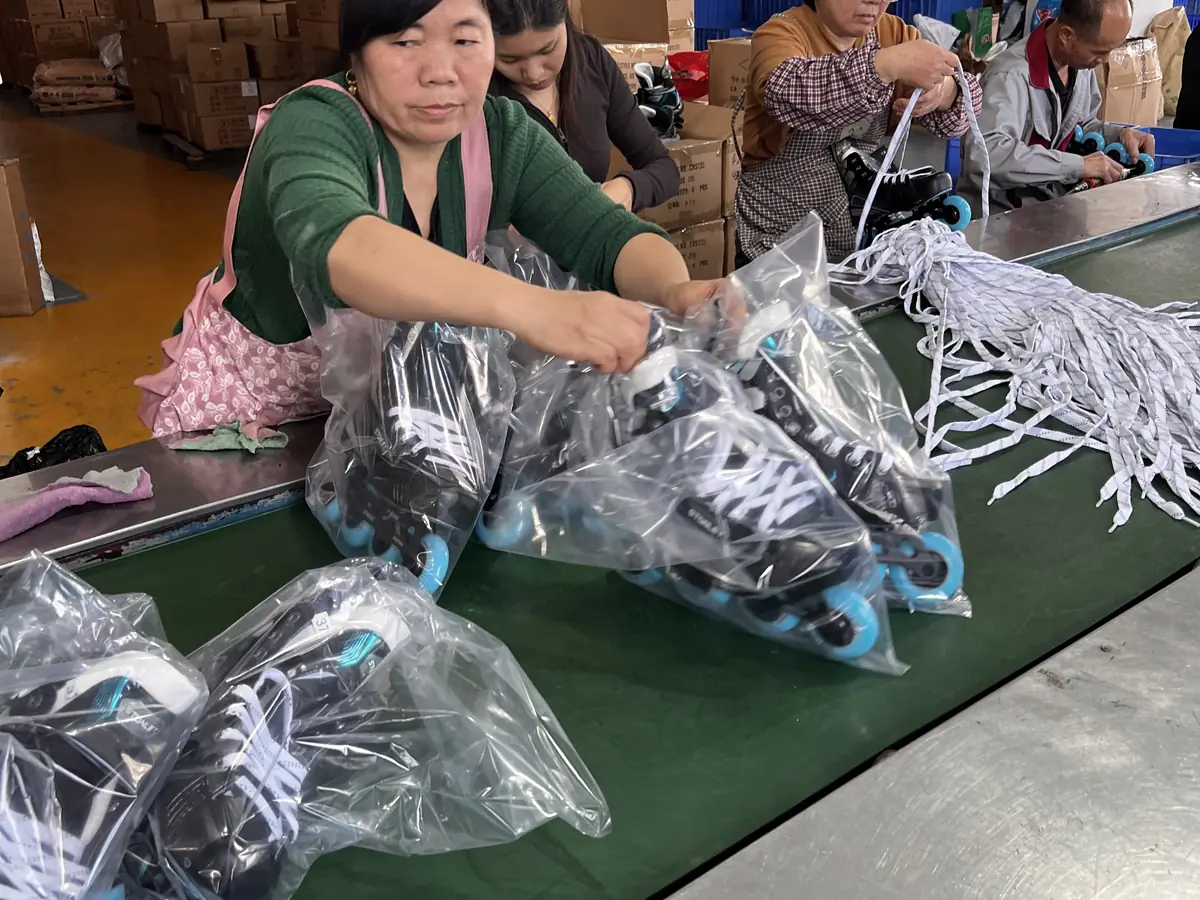
How to Choose a Carbon Fiber OEM/ODM Factory: 7 Key Points
Tooling, material control, capacity, QC, sampling speed, MOQ and IP — choosing the wrong factory is costly. This checklist helps you avoid the pitfalls.
6/21/2026
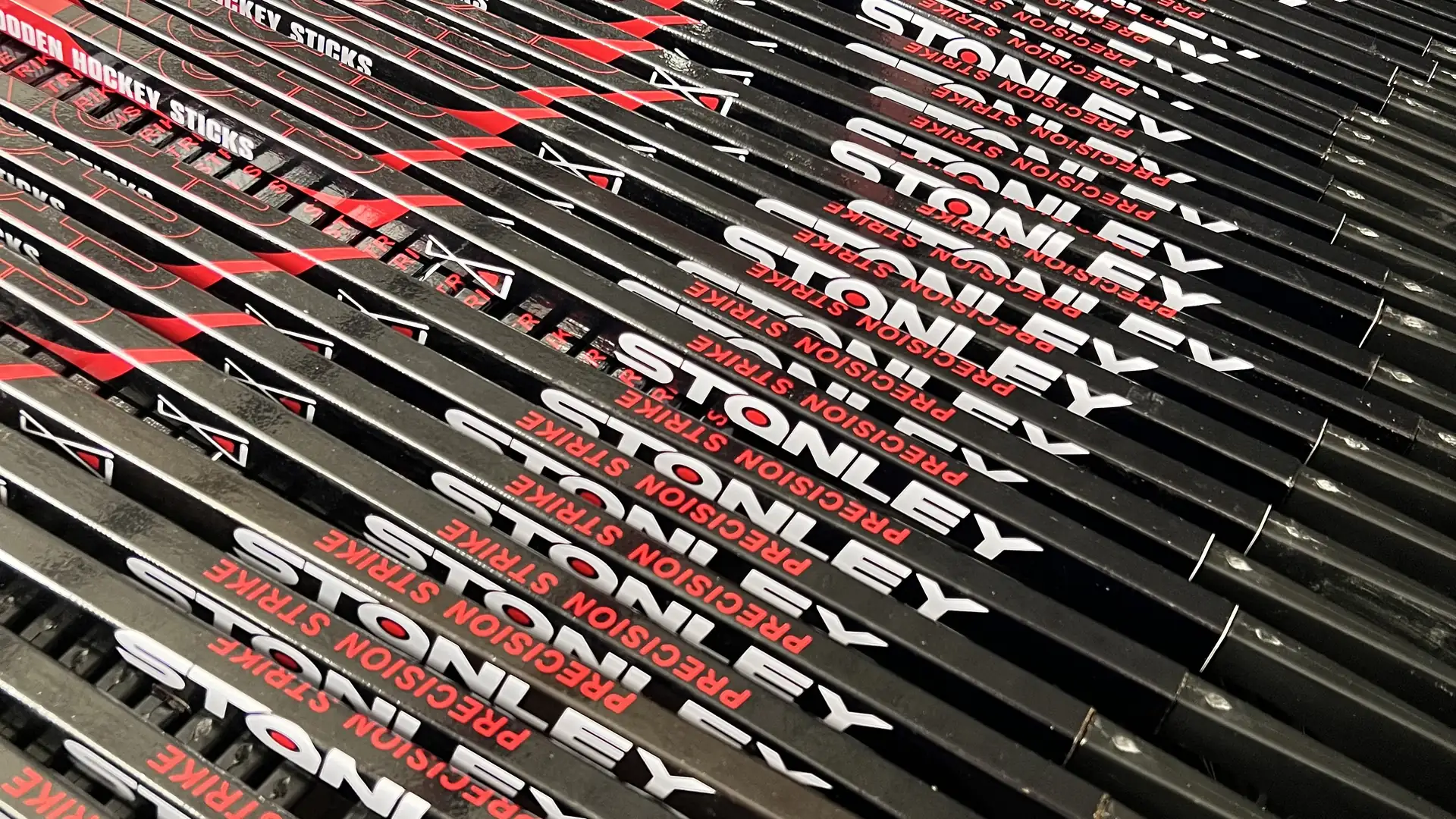
How Carbon Hockey Sticks Are Made — and Choosing FLEX & Blade
One-piece molding, FLEX rating, P92 blade pattern, weight and grip coating — the key parameters and manufacturing logic of carbon hockey sticks.
6/21/2026
Carbon Fiber Grades (T-Series & M-Series)
The Toray naming system is the most widely used global standard for carbon fiber grades. T-series emphasizes tensile strength; M-series emphasizes elastic modulus (stiffness).
Entry-level industrial grade with excellent cost-performance ratio; widely used in sporting goods and general industrial components.
Most widely used high-strength grade; balanced all-around performance, ideal for bicycles, drones, and structural parts at scale.
Ultra-high strength with elevated modulus; common in premium sporting equipment and aerospace structural components.
Highest commercially available strength; reserved for aerospace, defense, and top-tier motorsport applications.
High-modulus grade with exceptional stiffness; suited for stiffness-critical structures where rigidity matters more than raw tensile strength.
Ultra-high modulus comparable to beryllium-aluminum; used in satellite structures, precision optical mounts, and other high-end applications.
8 Main Manufacturing Processes
Each process involves trade-offs between cost, volume, performance, and geometry. Choosing the right process is key to controlling cost while ensuring quality.
Autoclave Molding
Prepreg plies are laid up in vacuum bags and cured inside a high-pressure autoclave at up to 180 °C and 5–7 bar. Produces the highest overall performance.
Fiber volume up to 65%, minimal voids, top-tier mechanical properties
High equipment cost, long cycle time; best for low-volume premium parts
Aerospace, F1 motorsport, premium sporting equipment
Compression Molding
Prepreg or SMC material is placed between matched metal molds and cured under heat and hydraulic pressure. Cycle times reach minutes, enabling high-volume production.
High throughput, excellent dimensional consistency, ideal for mass production
High tooling cost; limited for complex internal geometries
Automotive panels, rackets, helmets, electronics enclosures
Filament Winding
Resin-wet continuous fibers are wound at controlled angles onto a rotating mandrel. The mandrel is either removed or left in the finished part. Ideal for tubes and pressure vessels.
Continuous fiber alignment, exceptional specific strength, perfect for tubular shapes
Limited to cylindrical or extractable-mandrel geometries
Bicycle tubes, fishing rods, golf shafts, drone arms
Pultrusion
Continuous fibers and resin are pulled through a heated die at constant speed, producing indefinitely long profiles with a fixed cross-section. One of the lowest-cost continuous-fiber processes.
Continuous production, high material efficiency, low cost
Constant cross-section only; no curved or variable-section parts
Rods, square tubes, I-beams, construction reinforcement bars
Resin Transfer Molding (RTM)
Dry fiber preforms are placed in a closed mold; resin is injected under pressure and cured. Produces complex closed-section parts with smooth surfaces on both sides.
Dual smooth surfaces, complex geometries, controlled fiber architecture
Complex tooling, precise injection control required, higher development cost
Automotive structural parts, monocoque bicycle frames, sports protective gear
Wet / Hand Layup
Carbon fabric plies are laid up by hand onto a mold and wet-out with resin, then cured. Minimal tooling, extremely low mold cost; suited for prototyping and small-batch custom parts.
Lowest tooling cost; great for complex shapes and quick prototyping
Labor-intensive, lower fiber volume (35–45%), less consistent quality
Prototypes, racing boats, one-off custom parts
Prepreg Oven Cure
Prepreg plies are laid up and cured in a standard oven under vacuum bag pressure — no autoclave needed. Performance approaches autoclave at lower cost.
No autoclave needed; better performance than hand layup at lower cost than autoclave
Lower consolidation pressure than autoclave; slightly higher void content
Sports equipment, consumer product housings, mid-to-high-end custom parts
Braiding
Multiple fiber tows are interlaced at defined angles over a mandrel to form tubular or shaped preforms, then consolidated with resin. Outstanding torsional performance.
Exceptional torsional and impact resistance; complex cross-section tubes possible
Fixed braid angle constraints; not suitable for flat panels; limited throughput
Sporting shafts, paddle shafts, medical catheters, aerospace reinforcement tubes
Carbon Fiber vs Common Materials
Data based on typical UD-CFRP laminates vs standard material grades. Actual values vary by product design.
| Property | Carbon Fiber | Aluminum | Steel | Fiberglass | Titanium |
|---|---|---|---|---|---|
| Density (g/cm³) | 1.5–1.6 | 2.7 | 7.8 | 1.8–2.0 | 4.5 |
| Tensile Strength (MPa) | 600–3,500 | 200–700 | 400–2,000 | 200–500 | 900–1,200 |
| Specific Strength | ⭐⭐⭐⭐⭐ | ⭐⭐⭐ | ⭐⭐ | ⭐⭐⭐ | ⭐⭐⭐⭐ |
| Elastic Modulus (GPa) | 70–540 | 69 | 200 | 20–55 | 110 |
| Thermal Expansion (×10⁻⁶/K) | 0–2 | 23 | 12 | 10–15 | 8.6 |
| Conductivity | 导电 / Conductive | 良导体 / Good | 导体 / Conductor | 绝缘 / Insulator | 导体 / Conductor |
| Corrosion Resistance | 优异 / Excellent | 良好 / Good | 差 / Poor | 优异 / Excellent | 优异 / Excellent |
| Relative Material Cost | 高 / High | 低 / Low | 极低 / Very Low | 低 / Low | 极高 / Very High |
Frequently Asked Questions
View all →Q1. What is the difference between carbon fiber and fiberglass?
Carbon fiber is a crystalline carbon structure offering 2–5× higher strength and 3–10× greater stiffness than fiberglass, but at higher cost. Fiberglass is made from silica, is more elastic, and is lower cost — suitable where weight and stiffness are less critical.
Q2. Can carbon fiber parts be repaired?
Yes. Minor surface damage can be repaired by sanding and epoxy fill. Structural damage requires professional laminate repair using wet layup patches and curing. Aerospace repairs follow strict specifications; sporting goods should be strength-tested after repair.
Q3. Is carbon fiber electrically conductive? What precautions are needed?
Yes, carbon fiber is electrically conductive. Electronics enclosures and drone frames typically need an insulating coating or non-conductive layer to prevent short circuits. Carbon fiber dust from machining is also conductive and can damage nearby electronics — proper dust control is essential.
Q4. How much heat can carbon fiber withstand?
It depends on the resin system. Standard epoxy systems handle 100–130 °C; high-temperature epoxies exceed 200 °C; polyimide-based composites can withstand 300 °C+. The carbon fiber itself tolerates up to 3,000 °C in an oxygen-free environment, but the resin defines the composite's service temperature limit.
Carbon Fiber Glossary
Quick reference for 24+ key terms: T700, 3K, autoclave, Tuttle Box, FIP, MOQ and more.
Open Glossary →Need help choosing the right process for your product?
Our engineering team has 15 years of carbon fiber experience and offers free process consultation and quotations.
Get a Quote