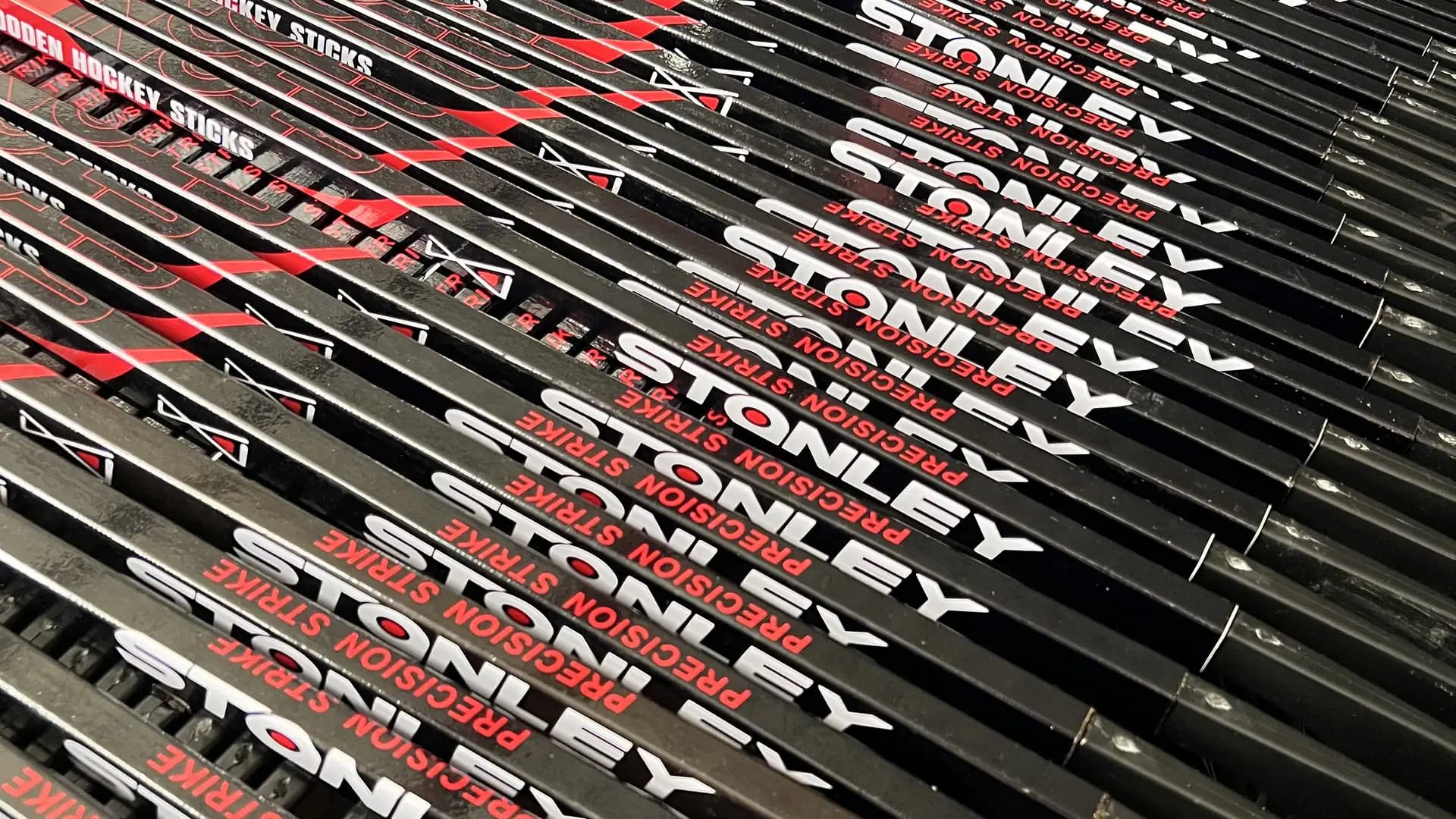
A carbon hockey stick is one of the most tangible applications of lightweighting. From manufacturing to buying, here are the key points:
One-piece vs two-piece
Premium sticks are mostly one-piece: shaft and blade cured together in a single process, giving more direct energy transfer, lower weight and a more unified feel. Entry models may bond a separate blade — cheaper, but with some loss of feel.
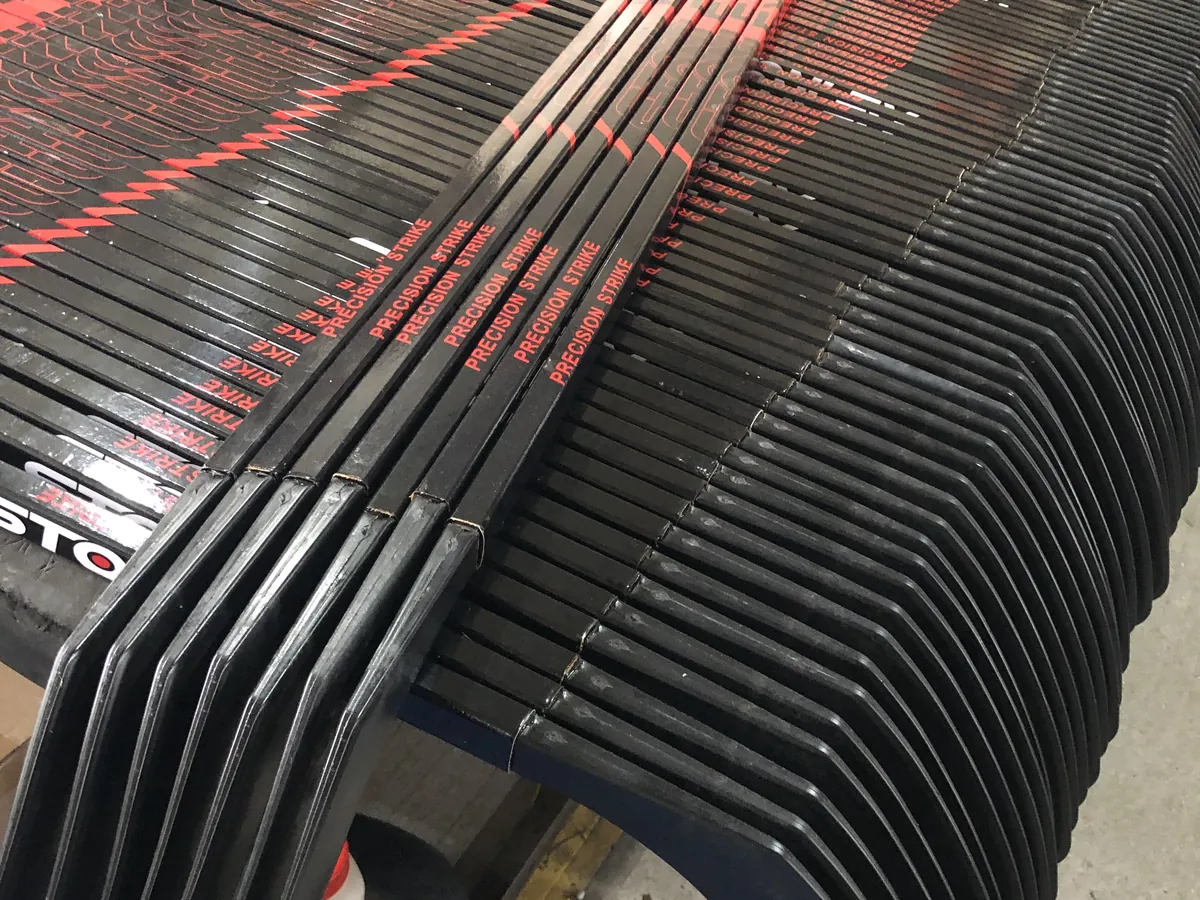
FLEX: the flex rating
FLEX indicates how easily the shaft bends under load; lower numbers are softer and store energy more easily:
- FLEX 20–40: youth/kids — lighter, less powerful (e.g. C2 Youth/Junior)
- FLEX 65–70: mainstream adult (e.g. C8 FLEX65, C9 Pro FLEX70)
- Rule of thumb: around half your body weight in pounds, then fine-tune by play style
Blade pattern
P92 is one of the most universal patterns — a moderate open face that balances puck control, quick lift and shooting, suitable for most players. Different patterns change the feel of saucer passes and shots.
Weight and feel
- Light: the C9 Pro is just 380g — faster swing speed and less fatigue over time
- Grip coating / matte face: a 3D textured grip coating improves hold, while a matte blade face adds control friction
Use scenarios
A good carbon stick typically works across ice, ball and inline hockey. Inline and concrete surfaces wear blades heavily, so a blade with built-in wear-resistant material extends life.
Buying rule: set FLEX first (by weight and style), pick the pattern (P92 covers most), then weigh up weight and budget.