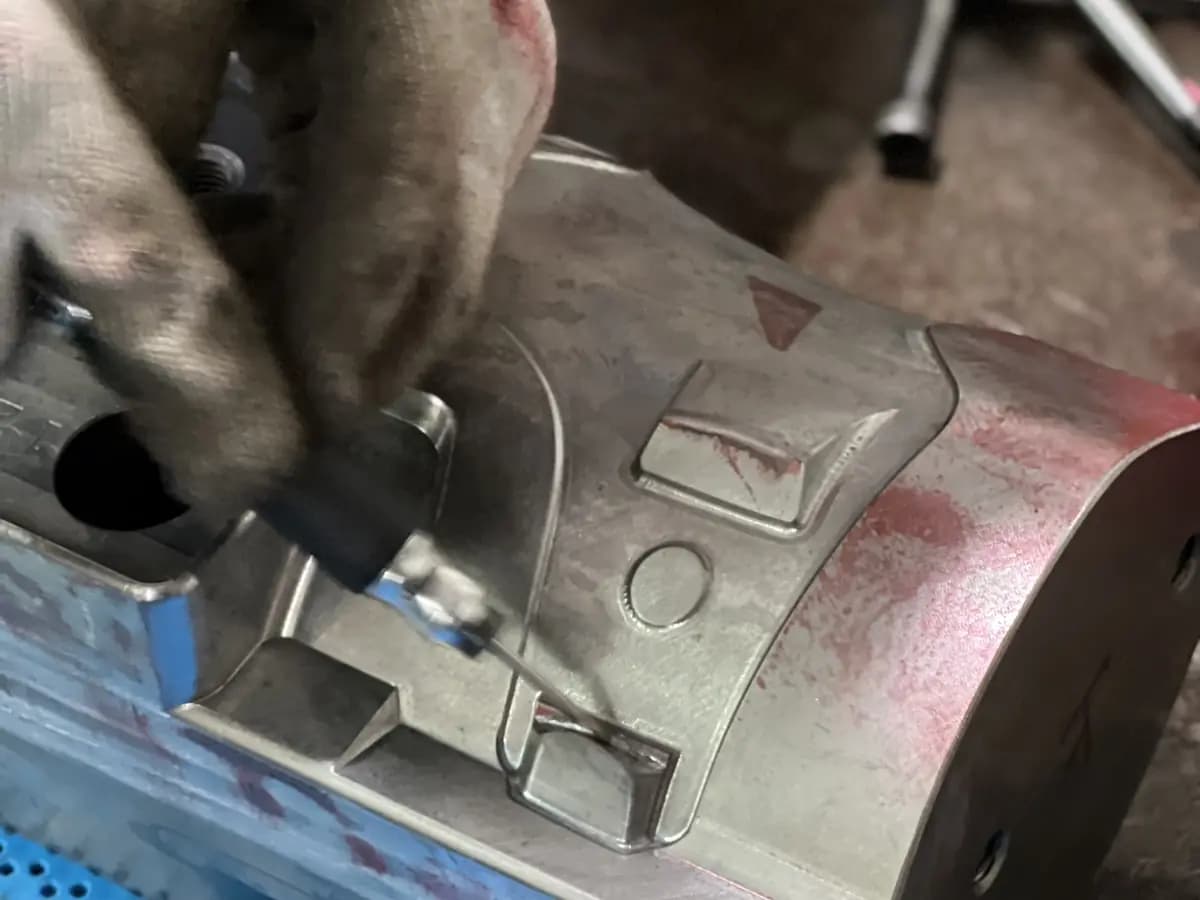
There is no one-step magic to a carbon fiber part — it is a tightly linked sequence of processes. Using the tubes/shafts common in sports gear as an example:
1. Cutting
Prepreg (carbon cloth pre-impregnated with resin) is cut to specific angles and shapes per the drawing. Ply angles (0° / ±45° / 90°) directly determine the stiffness direction and torsional performance of the finished part.
2. Layup / Roll Wrapping
- Roll wrapping: cut prepreg is wound onto a metal mandrel in a designed sequence, controlling ply count and angle
- Layup: for panels and complex shapes, plies are laid up one by one, with local reinforcement in key load zones
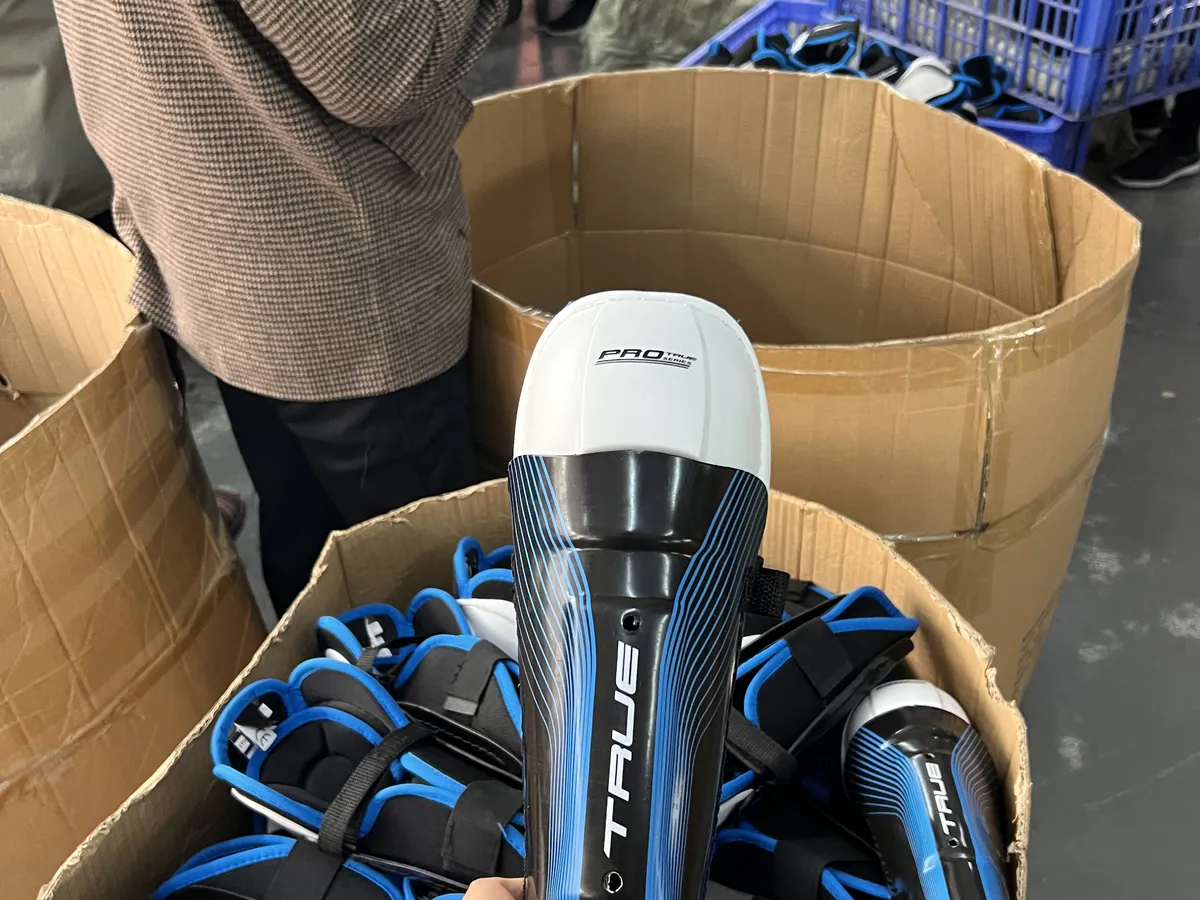
3. Molding & Curing
The wrapped preform goes into a mold and is cured under heat and pressure (compression molding or autoclave). Typical cure temperature is 120–150°C; the resin cross-links and hardens, uniting fiber and matrix. Pressure ensures density and drives out voids.
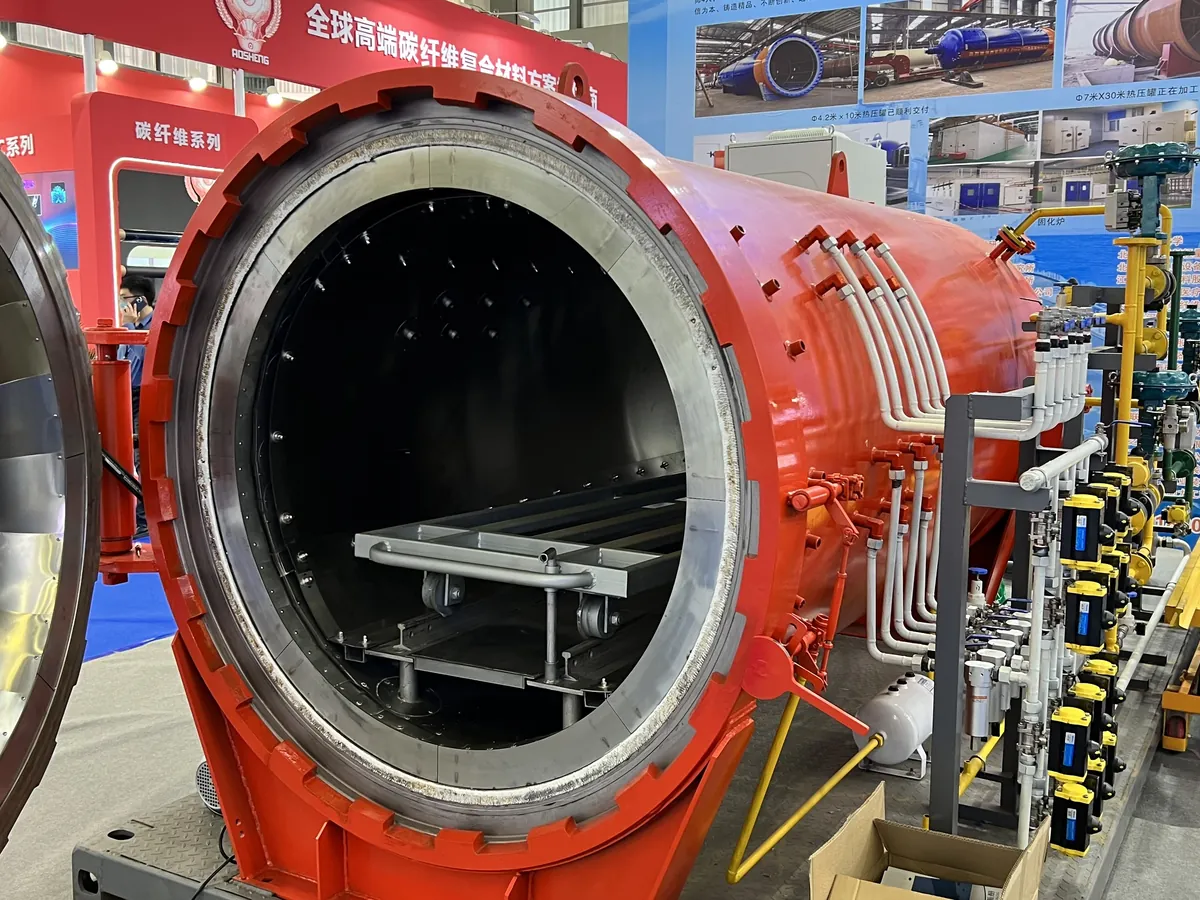
4. Demolding
After curing, the mandrel is extracted and the mold opened to release the hollow or solid carbon blank.
5. Finishing & QC
Cut to length, sand the joints, weigh, check straightness and wall thickness, and inspect every piece for mechanical consistency, rejecting delamination and porosity defects.
6. Coating
Clear or matte paint protects the surface and improves appearance; sports gear often adds grip coatings, matte or anti-slip textures for better handling and control.
The parameters at every step — ply angle, cure curve, pressure — affect final weight, FLEX and durability. This is precisely where an OEM factory's core know-how lies.