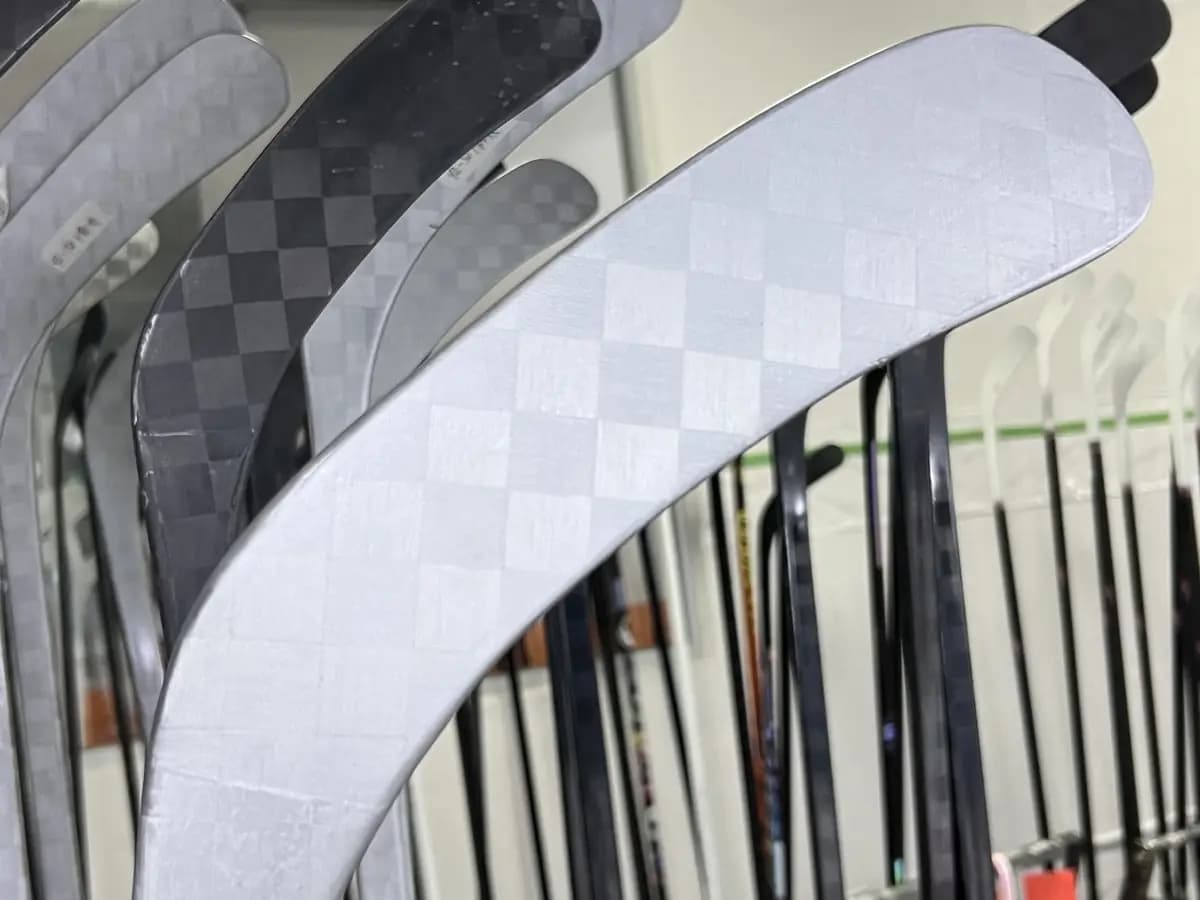
In sports equipment, material dictates weight, feel, durability and price. The F0–F3 floorball range is a perfect example, covering four main materials:
Side-by-side comparison
- Carbon fiber: lightest, best stiffness/elasticity, strong energy return; highest cost — premium competitive models
- Carbon + glass composite: balances strength and flex, durable, great value; the most common in sports gear — F2/F3, C2/C8
- Aluminum alloy: decent strength, low price; heavier, with less feel and rebound than composite — F1
- ABS / nylon: lightest and cheapest, modest elasticity; good for recreation, not formal competition — F0
Key differences
- Specific strength (strength/weight): carbon ≫ glass > aluminum > ABS
- Energy return / flex feel: carbon composite is best, directly affecting shot/swing performance
- Impact resistance / crack resistance: glass fiber is tougher; a carbon-glass blend tempers the brittleness of pure carbon
- Cost: carbon highest, ABS lowest, carbon-glass in between and the volume sweet spot
Recommendations
- Competitive / pro: full carbon, for ultimate lightness and feel
- Intermediate / volume: carbon-glass composite, the performance-price sweet spot
- Junior / rough surfaces: carbon-glass plus a wear-resistant blade, balancing weight and life
- Recreation / entry: aluminum or ABS, to control budget
There is no single "best material," only the one best suited to a given price point and use — which is exactly why a full product line (F0–F3 / C2–C9) exists.